
In the rapidly evolving landscape of remote work, a new question has begun to dominate the boardroom: “If AI can write my emails and schedule my meetings, do I still need a Virtual Assistant?”
At Remote PA, we’ve spent years helping entrepreneurs and executives reclaim their time through expert delegation. We’ve seen the shift from simple data entry to high-level operational support. Today, we are witnessing the next evolution: the AI-Augmented Virtual Assistant (VA).
While some view AI as a replacement for human support, the most successful leaders realize that AI is actually a force multiplier. In this post, we’ll explore how the synergy between human intuition and artificial intelligence is creating a new standard for productivity and why the “human-in-the-loop” is more critical now than ever before.
The Myth of the “AI-Only” Solution
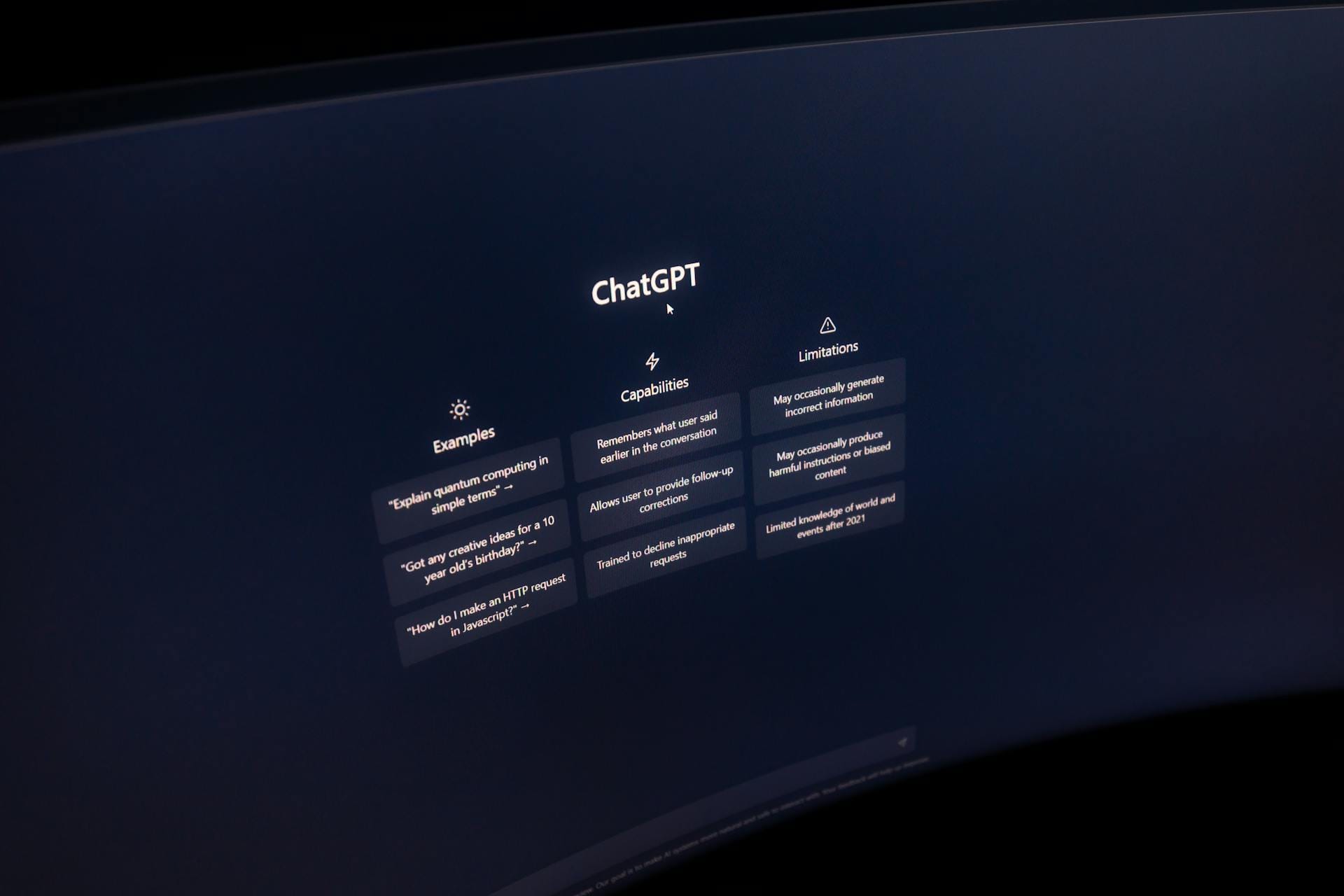
It’s tempting to think that a subscription to ChatGPT or an automated scheduling tool is enough to manage a busy professional life. However, automation without oversight often leads to “digital friction.”
AI can generate text, but it cannot understand the nuance of a 10-year professional relationship. It can suggest a meeting time, but it doesn’t know that you prefer a quiet Friday afternoon to focus on deep work, regardless of what your calendar says.
As we’ve discussed in our previous guides on Mastering the Art of Delegation, the value of a VA isn’t just in the doing, it’s in the thinking. An AI-augmented VA uses technology to handle the “grunt work” while providing the emotional intelligence and strategic oversight that a machine lacks.
Prompt Engineering: The New VA Superpower
One of the topics we haven’t touched on before is the specialized skill of Prompt Engineering within the VA space. A modern Remote PA doesn’t just “use” AI, they master it.
Instead of a client spending 20 minutes trying to get an AI to draft a complex project proposal, their VA can:
• Contextualize: Feed the AI specific brand voice guidelines and past project data.
• Refine: Edit the AI output for accuracy, tone, and “human-ness.”
• Execute: Move that output into project management tools like Asana or Trello.
By leveraging AI, a VA who used to take five hours on a research project can now deliver a more comprehensive report in two, allowing them to spend the remaining three hours on high-value tasks like business development or client outreach.
The “Human-in-the-Loop” for Data Privacy and Ethics
As businesses integrate more technology, the risks associated with data privacy increase. Sending sensitive company data into public AI models can be a legal minefield.
This is where the Remote PA advantage becomes clear. A human assistant acts as a security filter, ensuring that:
• Sensitive client information is never exposed to insecure AI platforms.
• The output of AI tools is fact-checked (avoiding “hallucinations” where AI makes up facts).
• The ethical implications of automated communication are managed, ensuring your brand remains authentic.
Moving Beyond Task Management to “Operations Orchestration”
In the past, many viewed a VA as someone who handles a “to-do” list. In the AI era, the role is shifting toward Operations Orchestration.
Instead of just booking a flight (as we detail in our Travel Management services), an augmented VA uses AI to monitor travel disruptions in real-time, automatically re-books connections before you even land, and uses predictive analytics to suggest the best times for your next international trip based on historical pricing and your energy cycles.
This level of proactive support is only possible when you combine the processing power of AI with the proactive nature of a dedicated Remote PA.
Bridging the Gap: How to Transition
If you are currently struggling to manage your own AI tools, or if you feel that your current delegation strategy is falling behind, it’s time to look at an augmented approach. How to start:
• Audit your “Robot Work”: Identify the repetitive tasks that drain your energy.
• Sync with a Professional: Engage with a service like Remote PA that understands the latest tech stack.
• Focus on Strategy: Use the time saved to focus on the “CEO-level” tasks that move the needle.
